
When a severe injury changes what you can do, how you work, and what your family must plan for, you should not have to measure the future one medical bill at a time. A Pittsburgh catastrophic injury lawyer at Pribanic & Pribanic can investigate who is responsible, document the full impact of the injury, and pursue compensation built around your long-term needs.
Catastrophic injury claims demand more than proof of what has already happened. They require credible evidence of future treatment, lost earning capacity, assistance at home, accessibility needs, and the human losses that accompany permanent disability. Our attorneys build that larger picture while you and your family focus on care, rehabilitation, and the decisions immediately ahead.
Pribanic & Pribanic has represented injured people since 1982 and brings more than 100 years of combined experience to complex personal injury litigation. Your consultation is free, and there are no fees unless you win.
Tell us how the injury has changed your life. Call (412) 672-5444 or contact Pribanic & Pribanic online for a confidential, no-obligation consultation.
Table of Content
- Do I have a catastrophic injury case in Pennsylvania?
- What injuries are considered catastrophic?
- What types of accidents can lead to catastrophic injury claims?
- How does a Pittsburgh catastrophic injury lawyer build my case?
- What compensation may be available after a catastrophic injury?
- How long do I have to file a catastrophic injury lawsuit in Pennsylvania?
- How long will my catastrophic injury case take?
- Why choose Pribanic & Pribanic for a catastrophic injury claim?
- Frequently asked questions about catastrophic injury claims
- Speak with a Pittsburgh catastrophic injury lawyer
Do I have a catastrophic injury case in Pennsylvania?
You may have a catastrophic injury case if another person, company, health care provider, or property owner caused an injury that creates permanent or long-term consequences. The central questions are whether someone owed you a legal duty, whether that duty was breached, whether the breach caused your injuries, and what losses resulted.
The word “catastrophic” describes the magnitude of the harm; it does not replace the underlying legal claim. A life-altering injury lawsuit may arise from negligence, medical malpractice, a dangerous product, an unsafe property condition, or another legally recognized basis for liability. The evidence and procedure depend on how the injury occurred.
A case evaluation should look beyond the diagnosis. An injury may be catastrophic because it prevents independent living, eliminates the ability to return to work, requires repeated surgeries, changes cognition or communication, or shifts substantial care responsibilities to family members. Two people with the same diagnosis may have very different legal and financial needs.

What injuries are considered catastrophic?
Catastrophic injuries commonly involve permanent disability, major loss of function, disfigurement, or a need for ongoing medical and personal care. The legal analysis focuses on the injury’s actual effect on the individual, not simply the label in a medical chart.
Traumatic brain injuries
A severe brain injury can affect memory, judgment, personality, speech, movement, and the ability to work or live independently. These changes are not always obvious during a short appointment, which is why a claim may require neurological evidence, rehabilitation records, testimony from family members, and a careful account of life before and after the injury. Learn more about our work involving traumatic brain injuries. For general medical background, the Centers for Disease Control and Prevention’s traumatic brain injury resources explain how a TBI can affect thinking, sensation, language, and emotion.
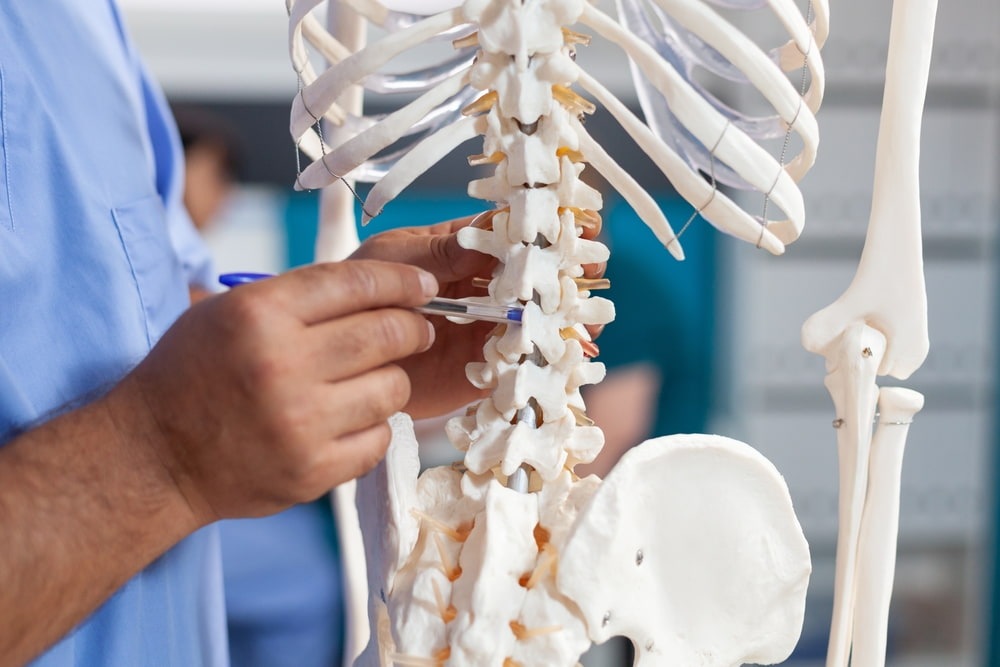
Paralysis and spinal cord injuries
Damage to the spinal cord may cause complete or incomplete loss of movement and sensation, along with secondary complications that require long-term management. A claim must account for more than the initial hospitalization; it may involve rehabilitation, mobility equipment, home or vehicle modifications, attendant care, and reduced earning capacity. Our attorneys also handle claims involving paralysis and spinal cord injuries. The National Institute of Neurological Disorders and Stroke provides additional medical information about spinal cord injuries.
Amputations and loss of limb
An amputation can create recurring costs and functional limitations for decades. Prosthetic devices may need replacement, work duties may change, and a home that once fit the person may no longer be accessible. A strong damages presentation connects those needs to qualified medical, vocational, and economic evidence rather than relying on a generalized estimate.
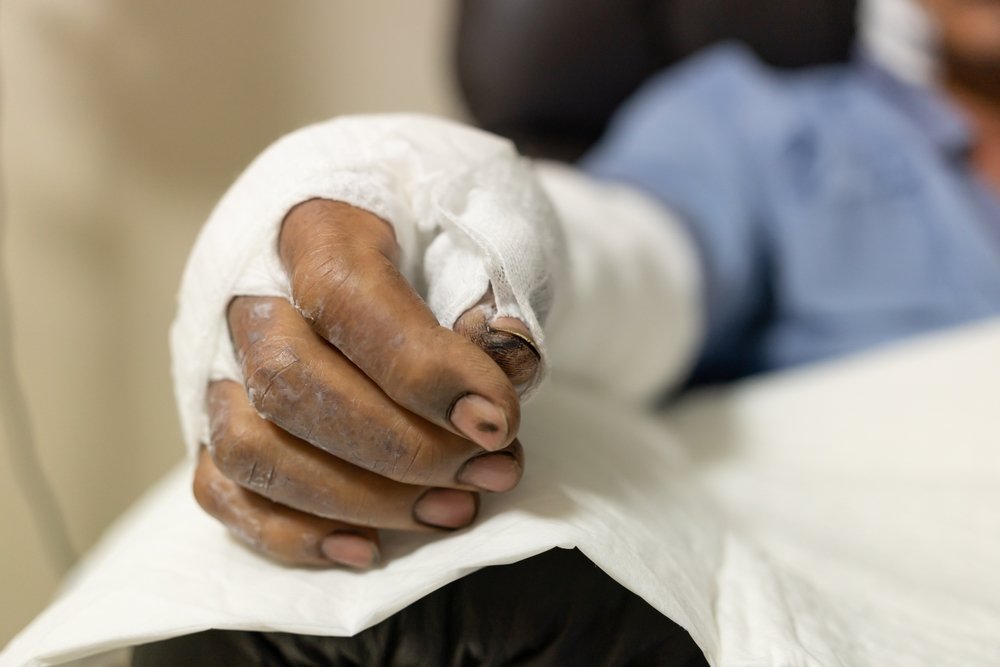
Severe burns and disfigurement
Serious burns can involve grafting, reconstructive procedures, scar treatment, chronic pain, limited movement, and psychological trauma. Visible disfigurement may also affect employment, relationships, and ordinary public activities. The claim should document both the physical treatment and the lasting effect on daily life.
Multiple trauma and other permanent injuries
A collision, fall, construction incident, or medical error may cause several injuries at once. The combined effect can be greater than any single diagnosis: a person managing fractures, neurological damage, and chronic pain may face a very different recovery path than a chart organized by separate body parts suggests.
What types of accidents can lead to catastrophic injury claims?
Catastrophic injury claims can arise whenever preventable conduct causes permanent or profound harm. Pribanic & Pribanic evaluates the underlying event, every potentially responsible party, and the insurance or other resources that may apply.
Motor vehicle and commercial truck collisions, especially crashes involving high forces or vulnerable road users
Medical malpractice, including preventable surgical injury, delayed diagnosis, birth injury, or failures that lead to permanent impairment
Construction and industrial incidents involving falls, electrical injury, heavy equipment, or unsafe worksite conditions
Defective vehicles, machinery, medical devices, or consumer products
Dangerous property conditions that cause severe falls, drowning, or other traumatic injury
The same event may create more than one legal path. For example, a workplace injury may involve workers’ compensation and a separate claim against a negligent third party. A defective vehicle component may add a product-liability claim to a collision case. Identifying those paths early can help preserve evidence and locate all responsible parties.
How does a Pittsburgh catastrophic injury lawyer build my case?
A Pittsburgh catastrophic injury lawyer builds the case by proving responsibility and translating a lifetime of consequences into evidence an insurer, judge, or jury can evaluate. That work begins with the cause of the injury and continues through future medical, financial, and personal needs.
Step 1: Protect the evidence. The legal team may obtain incident reports, photographs, video, vehicle or product evidence, medical records, witness statements, employment information, and insurance documents. Some evidence can disappear or change quickly, so early preservation matters.
Step 2: Identify every responsible party. Serious cases may involve several defendants, such as a driver and employer, a contractor and property owner, or multiple health care providers. The investigation should test each party’s role instead of stopping with the most obvious defendant.
Step 3: Understand the medical trajectory. Doctors may need time to determine whether function will return and what treatment will be required. The case strategy should preserve the claim while allowing the medical evidence to become reliable enough to support long-term projections.
Step 4: Measure future needs. Depending on the case, attorneys may consult treating physicians, independent medical professionals, life care planners, vocational specialists, economists, engineers, or accident reconstruction professionals. Each expert should answer a defined question supported by the evidence.
Step 5: Negotiate from a trial-ready position. The firm can present a demand when liability and damages are sufficiently developed. If the insurer will not offer a resolution that reflects the evidence, filing suit and preparing for trial may be necessary.
A permanent injury should be evaluated around the life you must now plan for, not only the bills already received. Call (412) 672-5444 for a free consultation with Pribanic & Pribanic.
What compensation may be available after a catastrophic injury?
Compensation in a catastrophic injury case may address both current losses and the reasonably supported costs and limitations expected in the future. No lawyer can determine the value of a claim from the diagnosis alone; liability, prognosis, insurance, evidence, and the injury’s effect on the person all matter.
Depending on the facts and Pennsylvania law, a claim may seek compensation for:
- Emergency care, hospitalization, surgeries, rehabilitation, medication, and other past medical expenses
- Future treatment, therapy, equipment, supplies, attendant care, and accessible housing or transportation needs
- Income lost during recovery and reduced ability to earn in the future
- Physical pain, emotional distress, disfigurement, and loss of enjoyment of life
- The effect of the injury on a spouse or family relationship when Pennsylvania law permits such a claim
The most important work is often the future-loss analysis. A settlement that pays today’s bills but ignores recurring care, replacement equipment, wage growth, medical inflation, or the value of unpaid family assistance may leave the injured person carrying costs that should have been addressed in the claim.
For a closer look at the factors that shape compensation, read what catastrophic injury settlements look like in PA. Past outcomes do not guarantee future results. Each case turns on its own facts.
How long do I have to file a catastrophic injury lawsuit in Pennsylvania?
Pennsylvania generally gives an injured person two years to begin a lawsuit seeking damages for personal injury caused by another party’s wrongful or negligent conduct. The deadline appears in 42 Pa.C.S. § 5524, but exceptions and different notice rules can change the analysis.
Do not assume the deadline will be measured from the date you first call a lawyer or from the date treatment ends. Claims involving government entities, minors, delayed discovery, wrongful death, or medical care may require a different review. Even when substantial time remains, waiting can make it harder to preserve video, physical evidence, witness recollection, and complete records.
How long will my catastrophic injury case take?
A catastrophic injury case usually takes longer than a claim involving a short recovery because the legal team must understand the prognosis and develop reliable evidence of future loss. The timeline depends on medical stability, the number of parties, disputed liability, insurance issues, expert work, court scheduling, and whether the case settles or proceeds to trial.
Speed and readiness are not the same thing. Resolving a claim before the medical picture is clear can shift unknown future costs to the injured person. At the same time, the attorneys should keep the investigation moving, explain major decisions, and use the available evidence to avoid unnecessary delay.
Why choose Pribanic & Pribanic for a catastrophic injury claim?
Pribanic & Pribanic combines long-standing Pennsylvania litigation experience with a process designed for cases that must explain years of medical, financial, and personal loss. The firm has represented injured people since 1982 and offers free consultations on a contingency-fee basis.
- 100+ years of combined experience handling serious injury disputes
- A Pittsburgh office at 513 Court Place and experience serving clients throughout the Pittsburgh region
- A case-building approach that can incorporate medical, vocational, economic, and technical evidence when the facts require it
- Best Lawyers 2027 recognition for Ernest, Victor, and Jeffrey Pribanic
When powerful insurance companies push back, we push harder. That means preparing the evidence, testing the defense position, and giving you straightforward guidance about the available options. It does not mean promising a particular settlement or verdict.
Frequently asked questions about catastrophic injury claims
Can my family contact a lawyer if I cannot communicate?
Yes. A close family member may contact the firm to explain what happened and ask what authority may be needed to protect the injured person’s interests. Depending on capacity and the decisions involved, Pennsylvania law may require a power of attorney, guardian, personal representative, or another authorized person to act.
Can I afford a catastrophic injury attorney?
Pribanic & Pribanic offers free consultations and handles accepted catastrophic injury cases on a contingency-fee basis. No fees unless you win. The written fee agreement should explain the attorney fee, case expenses, and how each is handled, so you can review the terms before deciding.
What if an insurance company has already made an offer?
You can ask an attorney to review an offer before accepting it. A release may end the claim even if later treatment, disability, or care costs are greater than expected. The review should compare the offer with the available liability evidence, policy information, medical prognosis, and documented future losses.
Will my case settle, or will it go to trial?
Either is possible. Many serious injury cases resolve through negotiation, but a fair decision requires enough evidence to evaluate the offer and a credible plan for litigation if the defense will not respond reasonably. Pribanic & Pribanic prepares each case according to its facts and discusses major settlement and trial decisions with the client.
Speak with a Pittsburgh catastrophic injury lawyer

A catastrophic injury can change a family’s finances, routines, work, and sense of independence all at once. Your legal claim should account for that full reality and give you clear information about the road ahead.
Pribanic & Pribanic offers free consultations to people and families facing life-altering injuries in Pittsburgh and throughout the region. Call (412) 672-5444 or send a confidential message to tell us what happened. No fees unless you win. The Right Lawyer Changes Everything.