
A brain injury can change how you remember, communicate, work, and relate to the people closest to you, even when the injury is not obvious to anyone else. A Pittsburgh brain injury lawyer at Pribanic & Pribanic can investigate the event, connect the medical evidence to the changes in your life, and pursue compensation for both current and long-term needs.
Traumatic brain injury claims often turn on details that do not fit neatly into an X-ray or a short hospital record. Cognitive testing, treatment notes, work history, witness observations, and day-to-day limitations may all be needed to show what was lost and what support will be required.
Pribanic & Pribanic has represented injured people since 1982 and brings more than 100 years of combined experience to complex personal injury litigation. Your consultation is free, and there are no fees unless you win.
Tell us what changed after the injury. Call (412) 672-5444 or contact Pribanic & Pribanic online for a confidential, no-obligation consultation.
Table of Content
- Do I have a traumatic brain injury case in Pennsylvania?
- What symptoms and limitations matter in a brain injury claim?
- How do attorneys prove a brain injury that cannot be seen?
- Why do insurance companies dispute brain injury claims?
- What events can lead to a Pittsburgh brain injury lawsuit?
- Who may be responsible for a traumatic brain injury?
- What compensation may be available after a brain injury?
- How can a brain injury affect work and family life?
- What happens after I contact a brain injury lawyer?
- How long do I have to file a brain injury lawsuit in Pennsylvania?
- What can I do to protect a brain injury claim?
- Why choose Pribanic & Pribanic for a Pittsburgh brain injury claim?
- Frequently asked questions about traumatic brain injury claims
- Speak with a Pittsburgh brain injury lawyer
Do I have a traumatic brain injury case in Pennsylvania?
You may have a traumatic brain injury case if another party's negligence or wrongful conduct caused a head injury and measurable losses. The claim must connect the responsible party's conduct to the injury, then document how the injury affects treatment, work, independence, relationships, and future needs.
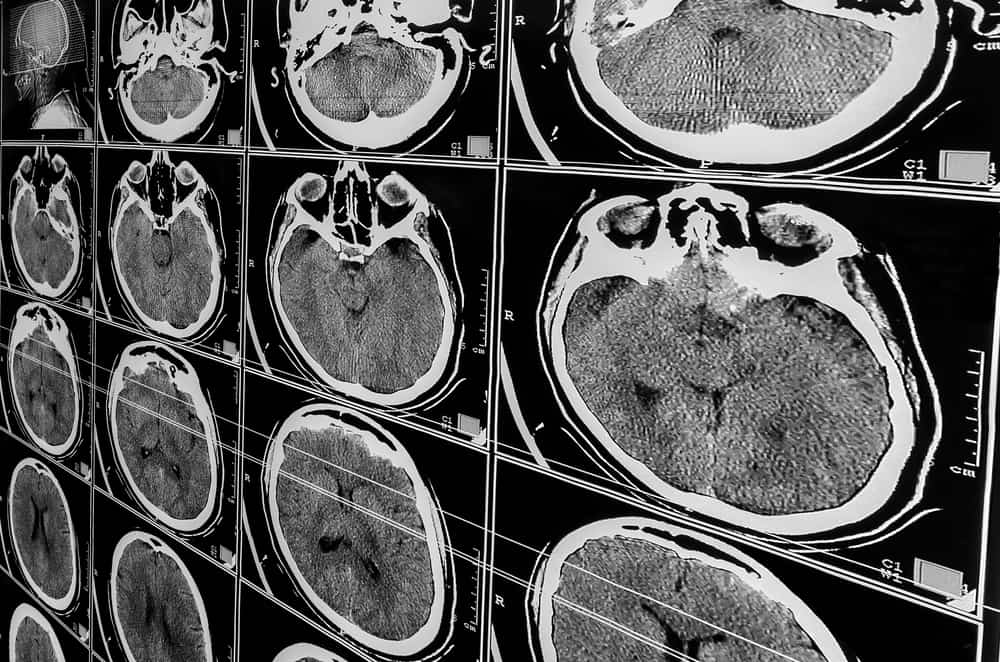
A diagnosis alone does not establish legal responsibility, and a normal scan does not automatically rule out a brain injury. The medical record, the mechanism of injury, symptom history, clinical examinations, and evidence of functional change must be considered together.
Brain injuries that produce permanent cognitive, physical, or behavioral limitations may also be treated as catastrophic injuries with lifelong impact. A lawyer can evaluate the underlying claim and determine which evidence is needed to explain the full injury.

What symptoms and limitations matter in a brain injury claim?
The symptoms that matter are the ones supported by medical evaluation and consistent evidence of how the person functions after the injury. Brain injuries can affect thinking, emotion, sleep, movement, senses, and tolerance for ordinary activity.
- Memory loss, slowed processing, confusion, or difficulty concentrating
- Headaches, dizziness, balance problems, nausea, or sensitivity to light and sound
- Changes in mood, judgment, impulse control, or personality
- Sleep disruption, fatigue, or reduced stamina
- Speech, vision, coordination, or sensory changes
- Difficulty returning to work, school, driving, parenting, or independent living
Some symptoms appear immediately, while others become clearer when a person resumes demanding tasks. The Centers for Disease Control and Prevention explains that mild TBI symptoms can affect how a person feels, thinks, acts, and sleeps, and some may not appear for hours or days. Seek emergency medical help for urgent danger signs.
How do attorneys prove a brain injury that cannot be seen?
Attorneys prove an invisible brain injury by combining medical evidence with objective testing and real-world evidence of change. The strongest presentation shows a consistent timeline from the traumatic event through symptoms, diagnosis, treatment, and functional loss.
Document the event. Reports, photographs, video, vehicle or product evidence, and witness statements can establish how the force occurred and who was responsible.
Build the medical timeline. Emergency records, primary care notes, neurological evaluations, rehabilitation records, and symptom reports help connect the injury to the event.
Measure cognitive function. When appropriate, neuropsychological testing can evaluate memory, attention, processing speed, executive function, language, and emotional changes.
Show the before-and-after difference. Coworkers, relatives, teachers, and friends may describe changes in reliability, communication, mood, endurance, and independence that a short appointment cannot capture.
Project future needs. Treating professionals and qualified experts may address rehabilitation, supportive care, work limitations, assistive technology, and long-term prognosis.
No single test proves every TBI claim. Imaging may identify bleeding, fractures, or structural injury in some cases, while other injuries require a broader clinical assessment. The legal team should use only evidence that fits the medical record and the individual facts.
Why do insurance companies dispute brain injury claims?
Insurance companies may argue that symptoms are subjective, came from a preexisting condition, or should have resolved sooner. They may focus on a normal scan, a gap in treatment, an early statement that the person felt fine, or photographs showing participation in one activity. None of those facts should be ignored, but each must be considered in the full medical and functional timeline.
A person in shock may not recognize cognitive symptoms at the scene, and some limitations become apparent only after returning to work or managing a demanding schedule. Preexisting migraines, anxiety, learning differences, or prior head injuries also do not automatically defeat a claim. The question is whether the event caused a new condition or materially worsened an existing one.
Consistent reporting and careful medical documentation can answer these defenses. The goal is not to make every difficult day sound identical. It is to present an accurate pattern of symptoms, improvement, setbacks, and remaining limitations that is supported by the record.
What events can lead to a Pittsburgh brain injury lawsuit?
A brain injury lawsuit can arise from a collision, fall, medical error, defective product, unsafe property condition, or another event in which a legally responsible party caused preventable harm. The claim depends on proof of fault, not simply on the severity of the diagnosis.
- Car, truck, motorcycle, bicycle, and pedestrian collisions
- Falls from heights, unsafe stairs, and other dangerous property conditions
- Construction and industrial incidents involving falling objects or equipment
- Medical errors that deprive the brain of oxygen or delay treatment of a neurological emergency
- Defective helmets, vehicles, machinery, or safety equipment
Brain trauma may occur alongside paralysis and spinal cord damage. When injuries overlap, the claim should account for the combined effect on mobility, cognition, employment, care needs, and family responsibilities rather than treating each diagnosis in isolation.
Who may be responsible for a traumatic brain injury?
The responsible party depends on how the injury happened. A careless driver may be liable for a collision, while an employer may also be responsible for an employee acting within the scope of work. A property owner may face a claim for an unsafe condition it knew or should have known about. Product manufacturers, contractors, trucking companies, and health care providers may be involved in other cases.
Identifying every potentially responsible party matters because serious brain injuries can create losses that exceed one insurance policy. It also keeps the investigation focused on the decisions that caused the event, including hiring, maintenance, safety procedures, product design, or medical treatment. Liability should be based on evidence, not assumptions drawn from the severity of the injury.
Pennsylvania's comparative-negligence rules can affect recovery when the defense claims the injured person shares responsibility. Statements, photographs, electronic data, and witness accounts should be preserved before an insurer's version of events hardens into the defense strategy.
What compensation may be available after a brain injury?
Compensation may address medical care, income loss, cognitive rehabilitation, reduced earning capacity, pain, emotional harm, and the loss of independence or enjoyment of life caused by the injury. The value of a claim depends on the evidence, prognosis, responsibility, insurance, and the person's actual losses.
- Emergency treatment, hospitalization, specialist care, therapy, and medication
- Future neurological, psychological, rehabilitation, and supportive-care needs
- Past lost wages and reduced ability to earn over the person's working life
- Assistive technology, transportation, home changes, and supervision when needed
- Physical pain, cognitive frustration, emotional distress, and loss of enjoyment of life
- The effect on a spouse or family relationship when Pennsylvania law permits such a claim
A brain injury cannot be valued from a diagnosis or an online average. A short-term concussion with full recovery presents different losses from a TBI that permanently changes memory, behavior, or the ability to work. Future-loss evidence should be based on a supported prognosis rather than a generic estimate.
Read more about the factors that influence what a head injury claim may be worth. Past outcomes do not guarantee future results. Each case turns on its own facts.
How can a brain injury affect work and family life?
A person may look physically recovered yet struggle with deadlines, multitasking, noise, fatigue, emotional regulation, or the judgment required for a former job. Some people return with reduced hours or accommodations; others must change occupations or leave the workforce. Payroll records alone may not show the complete loss when a career path, promotion potential, or ability to sustain full-time work has changed.
The effect at home can be equally significant. A spouse or parent may take over finances, transportation, appointments, childcare, or supervision. Relationships can be strained by memory gaps, irritability, loss of initiative, or a need for repeated reminders. Specific examples help explain these changes more clearly than broad statements that life is harder.
A careful damages analysis separates ordinary support from injury-related care and documents both without overstating either. Calendars, work communications, accommodation records, journals, and observations from people who knew the injured person before the event may help show the pattern over time.
A brain injury claim should reflect the life you must now plan for, not only the bills already received. Call (412) 672-5444 for a free consultation with Pribanic & Pribanic.
What happens after I contact a brain injury lawyer?
After the first consultation, the attorneys evaluate responsibility, deadlines, medical documentation, and the practical effect of the injury. If the firm accepts the case, the next steps are tailored to the evidence and the client's treatment path.
Case review and preservation. The legal team identifies evidence that must be requested or preserved before it disappears.
Medical and functional investigation. Records are collected and the team examines how symptoms affect work, home life, and independence.
Liability analysis. Every potentially responsible person or organization and the available insurance are investigated.
Damages development. The attorneys wait for reliable medical information while documenting current losses and supported future needs.
Negotiation or litigation. A demand, lawsuit, discovery, mediation, or trial may follow depending on the defense response and the client's goals.

How long do I have to file a brain injury lawsuit in Pennsylvania?
Pennsylvania generally requires a lawsuit seeking damages for personal injury caused by negligence or wrongful conduct to begin within two years. The deadline appears in 42 Pa.C.S. Section 5524, but exceptions and separate notice rules can change the analysis.
Do not wait for every symptom to resolve before asking about the deadline. Brain injury cases can require early preservation of video, physical evidence, witness accounts, employment records, and medical history. Claims involving government entities, minors, delayed discovery, death, or medical care require fact-specific review.
What can I do to protect a brain injury claim?
Follow the treatment plan, attend recommended appointments, and describe symptoms accurately without minimizing or exaggerating them. Keep discharge instructions, bills, prescription information, work restrictions, and correspondence from insurers. A simple symptom and activity record may help you remember when problems occurred, but it should be factual and consistent with what you report to medical professionals.
Be cautious about recorded statements, broad medical authorizations, and public social-media posts. An insurer may compare those materials with the claimed limitations. You can provide necessary information while first understanding who is requesting it and how it may be used. Direct questions about the claim through counsel once you are represented.
Most importantly, do not delay medical care for legal reasons. Treatment decisions belong to you and your health care team. The attorney's role is to gather the resulting evidence and explain how the law applies to the supported facts.
Why choose Pribanic & Pribanic for a Pittsburgh brain injury claim?
Pribanic & Pribanic combines long-standing Pennsylvania litigation experience with a process suited to injuries that can be medically complex and difficult to explain. The firm has represented injured people since 1982 and offers free consultations on a contingency-fee basis.
- 100+ years of combined experience handling serious injury disputes
- A Pittsburgh office at 513 Court Place and experience serving clients throughout the region
- The ability to develop medical, cognitive, vocational, and economic evidence when the facts require it
- Best Lawyers 2027 recognition for Ernest, Victor, and Jeffrey Pribanic
When powerful insurance companies push back, we push harder. That means preparing the evidence, testing the defense position, and giving you straightforward guidance without promising a particular settlement or verdict.
Frequently asked questions about traumatic brain injury claims
Can I have a brain injury if I never lost consciousness?
Yes. A person can sustain a concussion or other traumatic brain injury without losing consciousness. The claim still requires medical support and a credible connection between the event and the symptoms. Prompt evaluation is important, particularly when headaches, confusion, vomiting, weakness, unusual behavior, or worsening symptoms appear.
What if my CT scan or MRI was normal?
A normal scan does not decide the entire case. Imaging can identify some structural injuries, but clinicians also consider the mechanism of injury, symptoms, examinations, cognitive testing, and recovery pattern. An attorney should not interpret the scan; the legal claim should follow the opinions of qualified treating and evaluating professionals.
Can my family describe changes they have noticed?
Yes. Family members may provide important observations about memory, mood, sleep, communication, judgment, and independence. Their accounts are most useful when they are specific, consistent with the medical record, and based on firsthand knowledge of the person before and after the injury.
Can I afford a Pittsburgh brain injury lawyer?
Pribanic & Pribanic offers free consultations and handles accepted brain injury cases on a contingency-fee basis. No fees unless you win. The written agreement should explain attorney fees and case expenses so you can review the terms before deciding.
Will my brain injury case settle or go to trial?
Either is possible. Many cases resolve through negotiation, but an informed decision requires enough evidence to evaluate the offer and a credible litigation plan if the defense will not respond reasonably. The client decides whether to accept a settlement after discussing the risks and options with counsel.
Speak with a Pittsburgh brain injury lawyer

A traumatic brain injury can change the pace and direction of an entire family. Your legal claim should make those changes understandable and give you clear information about the path ahead.
Pribanic & Pribanic offers free consultations to people and families facing brain injuries in Pittsburgh and throughout the region. Call (412) 672-5444 or send a confidential message to tell us what happened. No fees unless you win. The Right Lawyer Changes Everything.