
When paralysis suddenly alters how you move, work, and live, your legal claim must account for far more than your initial hospital stay. A Pittsburgh paralysis injury lawyer at Pribanic & Pribanic can investigate who caused the injury and develop evidence of long-term medical care, accessibility needs, lost earning capacity, and the effect on your family.
This page addresses adult and traumatic paralysis claims, including spinal cord injuries caused by collisions, falls, unsafe products, workplace incidents, and medical errors. Delivery-related paralysis and newborn injuries require a separate birth-injury analysis.
Pribanic & Pribanic has represented injured people since 1982 and brings more than 100 years of combined experience to complex personal injury litigation. Your consultation is free, and there are no fees unless you win.
Tell us how the injury occurred and what care is now required. Call (412) 672-5444 or contact Pribanic & Pribanic online for a confidential consultation.
Table of Content
- Do I have a paralysis injury case in Pennsylvania?
- What types of paralysis can follow a spinal cord injury?
- What events can cause an adult paralysis lawsuit?
- What medical complications can follow paralysis?
- How can paralysis change housing, transportation, and work?
- How does a paralysis lawyer document lifetime needs?
- What compensation may be available after a paralysis injury?
- How do attorneys build a Pittsburgh paralysis case?
- How long do I have to file a paralysis lawsuit in Pennsylvania?
- Why choose Pribanic & Pribanic for a paralysis injury claim?
- Frequently asked questions about paralysis injury claims
- Speak with a Pittsburgh paralysis injury lawyer
Do I have a paralysis injury case in Pennsylvania?
You may have a paralysis injury case if another person, company, property owner, manufacturer, employer, or health care provider caused preventable spinal cord or neurological damage. The claim must establish legal responsibility, causation, and the losses created by the injury.
Paralysis may result from direct trauma, compression, bleeding, loss of blood flow, brain injury, or a medical complication. The diagnosis does not identify who is legally responsible, so the investigation must examine how the injury occurred and whether the defendant's conduct fell below the required standard.
Permanent loss of movement or sensation is one form of catastrophic and life-altering injuries. The case should reflect the injured person's actual function, prognosis, goals, and future needs rather than relying on a general label.
What types of paralysis can follow a spinal cord injury?
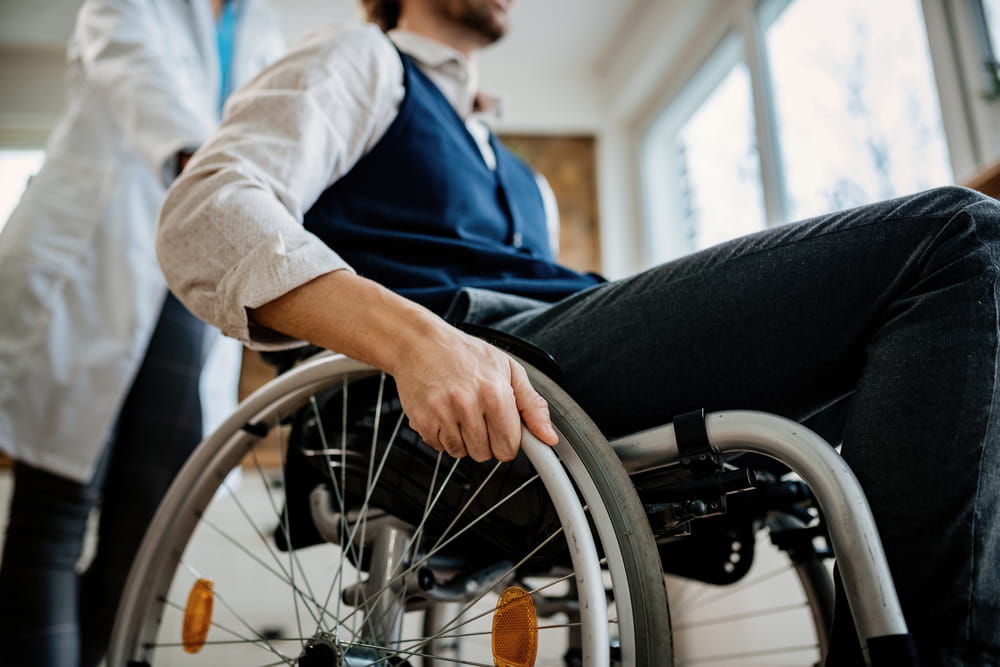
The type of paralysis depends on the location and extent of neurological damage. Higher spinal injuries can affect more of the body, while incomplete injuries may preserve some movement or sensation below the injury level.
- Paraplegia: paralysis primarily affecting the lower body and legs
- Tetraplegia or quadriplegia: paralysis affecting the arms, legs, and torso, sometimes including breathing function
- Complete spinal cord injury: no sensory or motor function preserved below the neurological level of injury
- Incomplete spinal cord injury: some sensory or motor function remains below the injury level
- Hemiplegia: paralysis affecting one side of the body, often associated with brain injury or stroke
The National Institute of Neurological Disorders and Stroke explains that spinal cord damage can cause temporary or permanent changes in movement, sensation, strength, and body functions below the injury. Medical professionals, not the legal team, determine classification and prognosis.
Some traumatic events cause co-occurring brain and spinal injuries. A combined claim may need to address both mobility limitations and cognitive, behavioral, communication, or emotional changes.
What events can cause an adult paralysis lawsuit?
An adult paralysis lawsuit can arise from any preventable event in which a legally responsible party caused spinal cord, brain, or nerve damage. The evidence differs by event, and more than one defendant may be responsible.
- Car, truck, motorcycle, pedestrian, and bicycle collisions
- Falls from heights, unsafe stairs, and dangerous property conditions
- Construction, industrial, or equipment incidents
- Defective vehicles, seat systems, machinery, medical devices, or safety products
- Surgical errors, delayed diagnosis of spinal compression or infection, anesthesia injury, or other medical negligence
- Violent trauma when a legally responsible defendant can be identified
A workplace injury may involve workers' compensation and a separate claim against a negligent contractor, property owner, manufacturer, or other third party. A complete investigation should identify every legal path and available source of coverage.
What medical complications can follow paralysis?
Paralysis can affect far more than movement. Depending on the injury level and the person's health, complications may involve:
- breathing
- blood pressure
- temperature regulation
- bowel and bladder function
- skin integrity
- circulation
- pain
- spasticity
- infection
- mental health
These risks may require regular monitoring, preventive care, specialized equipment, and rapid treatment when a problem develops.
The legal claim should account for supported secondary complications without assuming every possible problem will occur. Medical history, treating recommendations, rehabilitation records, and a qualified life-care assessment can help distinguish established future needs from speculation.
Readmissions and equipment failures can also disrupt work, education, caregiving, and family plans. Documenting those practical effects helps explain why long-term support involves more than the original hospital bill.
How can paralysis change housing, transportation, and work?
Returning home may require changes to entrances, doorways, bathrooms, sleeping areas, kitchens, and emergency access. A suitable plan considers the person's transfer method, wheelchair dimensions, caregiver needs, and the condition of the existing property. Temporary arrangements can also create costs while permanent housing changes are designed and completed.
Transportation may involve:
- an accessible vehicle
- hand controls
- lifts
- driver services
- help reaching medical appointments
At work, the person may need an accessible site, schedule changes, adaptive technology, a different role, or vocational retraining. Some people return to productive employment, while others cannot safely sustain their former duties.
These needs should be documented with realistic recommendations and costs. The aim is to support independence and participation while measuring the injury-related losses that the responsible party caused.
How does a paralysis lawyer document lifetime needs?
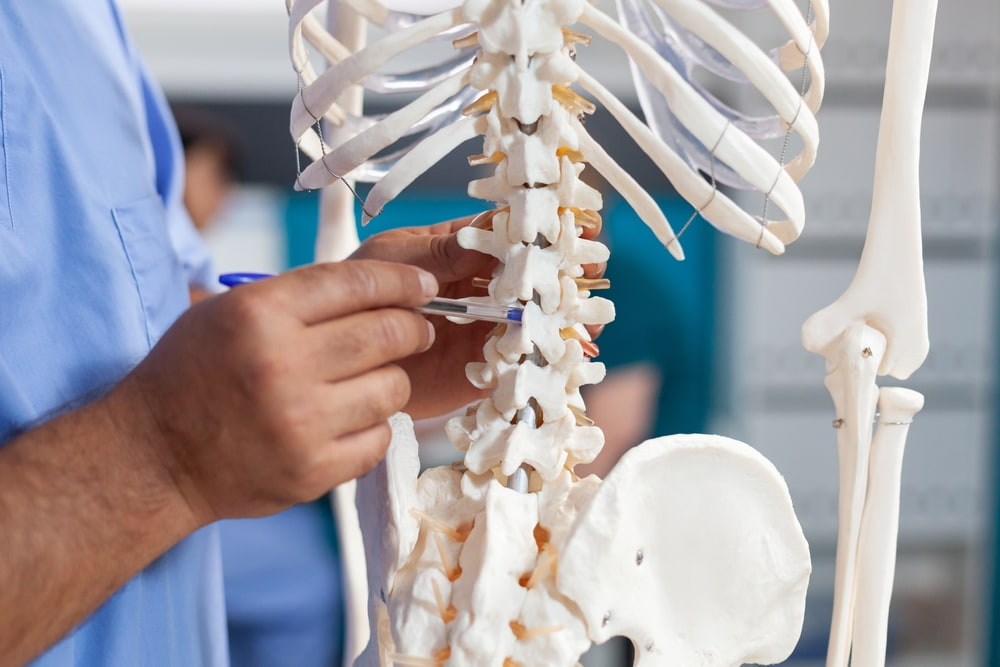
A paralysis lawyer documents lifetime needs by combining the medical prognosis with a practical assessment of care, equipment, accessibility, transportation, employment, and personal assistance. The analysis should be individualized and supported by qualified evidence.
- Acute treatment, surgery, hospitalization, and inpatient rehabilitation
- Ongoing medical monitoring, therapy, medication, and treatment of secondary complications
- Wheelchairs, cushions, lifts, transfer equipment, communication tools, and replacement schedules
- Accessible housing, bathroom and kitchen changes, ramps, and vehicle modifications
- Personal attendants, home health services, household assistance, or supported living
- Vocational rehabilitation, lost income, and reduced earning capacity
- The effect on relationships, recreation, community life, and personal independence
The future-loss analysis should avoid both understatement and speculation. Treating professionals, life care planners, rehabilitation specialists, vocational experts, and economists may be involved when their work is relevant to the facts.
For a broader explanation of how future care and economic loss affect compensation, read about the lifetime cost of catastrophic injuries. Past outcomes do not guarantee future results. Each case turns on its own facts.
A paralysis claim should be built around the life you must now plan for, not only the bills already received. Call (412) 672-5444 for a free consultation with Pribanic & Pribanic.
What compensation may be available after a paralysis injury?
Compensation may address the medical, financial, physical, and personal losses caused by paralysis. The value depends on responsibility, prognosis, available insurance, life expectancy evidence, work history, care needs, and the injury's actual effect on the person and family.
- Past and future medical care, rehabilitation, medication, and supplies
- Assistive technology, mobility equipment, and future replacement costs
- Home and vehicle modifications and accessible transportation
- Past lost wages and reduced or eliminated future earning capacity
- Personal care, household services, and family caregiving needs
- Physical pain, emotional distress, disfigurement, and loss of enjoyment of life
- The effect on a spouse or family relationship when Pennsylvania law permits such a claim
No online calculator can value a paralysis case. A person with incomplete paraplegia who returns to modified work may have different losses from someone with high-level tetraplegia who requires respiratory and personal assistance. The evidence must match the individual.
How do attorneys build a Pittsburgh paralysis case?
Attorneys build a paralysis case by proving how the injury occurred and developing reliable evidence of both present and future loss. The work often continues alongside rehabilitation so the legal strategy can reflect an evolving medical picture.
Preserve cause evidence. Reports, video, vehicle or product evidence, site inspections, medical records, and witness statements can establish how the injury occurred.
Identify every defendant. Drivers, employers, contractors, property owners, manufacturers, and medical providers may have separate roles and insurance.
Understand prognosis. The team follows treating professionals and avoids projecting permanent needs before the medical evidence supports them.
Develop a life-care picture. Qualified professionals may address care, equipment, accessibility, employment, and economic loss over time.
Negotiate or litigate. The firm can present a demand or proceed through a lawsuit, discovery, mediation, and trial when necessary.
How long do I have to file a paralysis lawsuit in Pennsylvania?
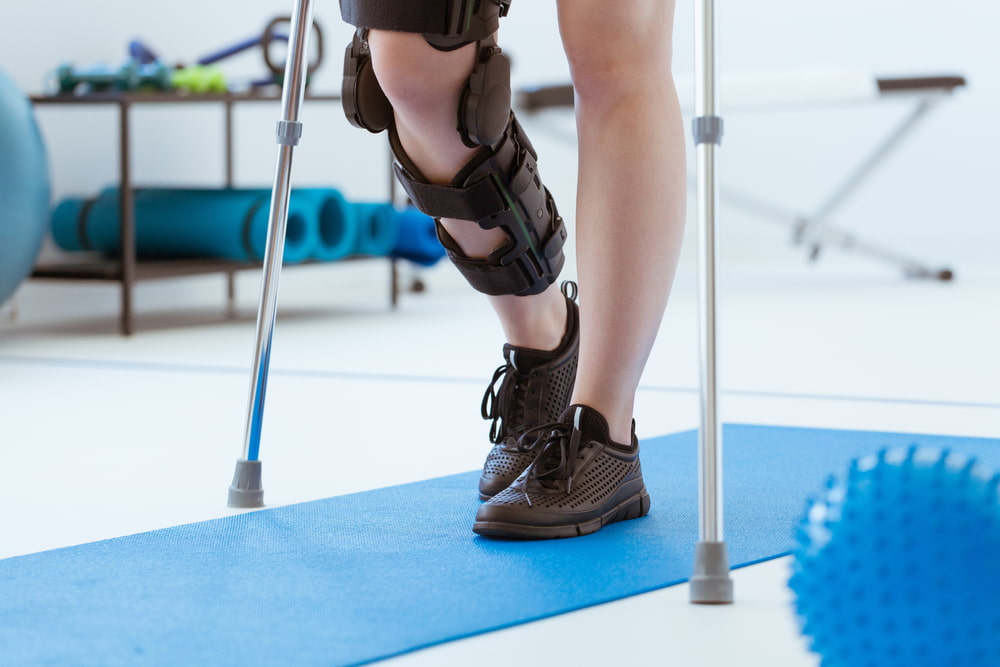
Pennsylvania generally requires a lawsuit seeking damages for personal injury caused by negligence or wrongful conduct to begin within two years. The deadline appears in 42 Pa.C.S. Section 5524, but exceptions and separate notice rules can change the analysis.
Do not wait for rehabilitation to end before asking about the deadline. Claims involving government entities, minors, delayed discovery, medical care, or death may follow different rules, and physical evidence or witness accounts can be lost long before the filing period expires.
Why choose Pribanic & Pribanic for a paralysis injury claim?
Pribanic & Pribanic combines long-standing Pennsylvania litigation experience with a process suited to cases involving complex medicine and decades of potential loss. The firm has represented injured people since 1982 and offers free consultations on a contingency-fee basis.
- 100+ years of combined experience handling serious injury disputes
- A Pittsburgh office at 513 Court Place and experience serving clients throughout the region
- The ability to develop medical, rehabilitation, vocational, and economic evidence when the case requires it
- Best Lawyers 2027 recognition for Ernest, Victor, and Jeffrey Pribanic
When powerful insurance companies push back, we push harder. That means preparing the evidence, challenging unsupported defense assumptions, and giving you straightforward guidance without guaranteeing a result.
Frequently asked questions about paralysis injury claims
What is the difference between complete and incomplete paralysis?
A complete spinal cord injury leaves no sensory or motor function below the neurological level of injury, while an incomplete injury preserves some function. Recovery varies widely. The treating rehabilitation team determines the medical classification; the legal claim should use that evidence rather than assumptions.
Can I bring a claim if some movement returns?
Possibly. Improvement does not erase the original injury or remaining losses. The claim may still involve medical care, pain, work restrictions, equipment, reduced endurance, and future risks. Responsibility and damages must be evaluated from the complete medical and factual record.
Can my family recover for caregiving time?
Family caregiving may be relevant to the damages analysis, but the treatment of unpaid care depends on Pennsylvania law and the evidence. Keep a practical record of assistance with transfers, transportation, personal care, appointments, household tasks, and supervision for the attorneys to review.
Can I afford a Pittsburgh paralysis injury lawyer?
Pribanic & Pribanic offers free consultations and handles accepted paralysis cases on a contingency-fee basis. No fees unless you win. The written agreement should explain attorney fees and case expenses before you decide.
Will my paralysis case settle or go to trial?
Either is possible. Many cases resolve through negotiation, but a fair decision requires a developed medical and financial record and a credible litigation plan. The client decides whether to accept a settlement after discussing the evidence, risks, timing, and alternatives with counsel.
Speak with a Pittsburgh paralysis injury lawyer

Paralysis can change a family's home, work, finances, and daily roles all at once. Your claim should account for that full reality and give you clear information about the legal path ahead.
Pribanic & Pribanic offers free consultations to people and families facing paralysis injuries in Pittsburgh and throughout the region. Call (412) 672-5444 or send a confidential message to tell us what happened. No fees unless you win. The Right Lawyer Changes Everything.