Pennsylvania has a complex scheme for insurance coverage of medical bills after a car accident. There are numerous types of insurance coverage, so exactly who pays what after you have suffered an injury can depend on the circumstances of your case. Even when another driver is clearly at fault, Pennsylvania’s no-fault insurance system can make the process confusing and stressful. Between emergency treatment, follow-up appointments, diagnostics, and therapy, medical costs can add up quickly—and many people are shocked to learn that their own insurance may be responsible for covering these expenses first. Understanding which insurance applies, how PIP coverage works, when health insurance becomes involved, and when you can pursue compensation from the at-fault driver is critical to protecting your financial stability.
At Pribanic & Pribanic, our experienced car accident lawyers in Pittsburgh, Pennsylvania, help clients navigate this complex system and make sure their medical bills are handled correctly from the start. We assess every available coverage option, communicate with insurers, and pursue full compensation to prevent victims from being overwhelmed by out-of-pocket costs. If you suffered an injury in a Pennsylvania car crash, we are here to help you understand your rights and secure the support you need. Call us today at (412) 672-5444 to schedule a free initial consultation.
Key Takeaways About Medical Bills and Car Accidents
- There is a hierarchy about which insurance coverage kicks in first when you have suffered physical injuries in a car accident
- Personal injury protection is your first source of medical coverage, although there be far less than you need to cover your bills
- There are other sources that you can turn to when your PIP coverage runs out, including your own health insurance coverage
- The exact coverage that you have depends on the type of auto insurance policy that you have selected
- You may be able to file a lawsuit against the responsible party if you have full tort coverage or if you have suffered a serious injury
- Speak to a car accident lawyer to learn more about how your medical bills can be paid after a motor vehicle crash
Who Pays Medical Expenses if I Have No-Fault Insurance?
In Pennsylvania, no-fault insurance, also called Personal Injury Protection (PIP), is designed to ensure that drivers and passengers receive prompt medical treatment after a car accident, regardless of who caused the crash. Under this system, each person’s own auto insurance pays for their medical bills and certain out-of-pocket expenses, up to the limits of their policy. This means you do not have to wait for a liability investigation or a settlement with the at-fault driver before getting your medical care covered.

Pennsylvania is somewhat unique because it is a choice no-fault state. When purchasing auto insurance, drivers must choose between Full Tort and Limited Tort coverage. Limited Tort is the true “no-fault” option. It restricts your right to sue the at-fault driver for pain and suffering unless your injuries meet certain thresholds, such as being considered “serious” under Pennsylvania law. Full Tort, on the other hand, preserves your right to pursue non-economic damages after an accident, even though your own insurer still pays your initial medical expenses.
PIP coverage typically pays for medical treatment, lost earnings, and certain essential services, such as household help if your injuries prevent you from performing daily tasks. However, PIP does not pay for vehicle repairs; those claims still go through the at-fault driver’s liability insurance.
While no-fault insurance streamlines medical coverage, disputes can arise over claim denials, wage-loss calculations, insufficient PIP limits, or disagreements over whether an injury meets the lawsuit threshold. In these cases, an experienced Pennsylvania personal injury attorney can handle the system, challenge denials, and pursue additional compensation from the at-fault party when permitted.
Your Health Insurance Can Step in if PIP Runs Out
In Pennsylvania, Personal Injury Protection (PIP) benefits are the first source of coverage for medical expenses after a car accident, regardless of fault. However, PIP coverage is limited—many drivers carry only the state minimum, and serious injuries can quickly exhaust those benefits. When your PIP limits run out, your health insurance becomes the next line of coverage for ongoing medical treatment.
Once PIP is exhausted, your health insurer will begin paying for accident-related care according to the terms of your policy. This includes deductibles, copays, and coinsurance obligations. If your health plan is through an employer, Medicare, or Medicaid, those programs will also step in, but each may have different rules about coverage and reimbursement. It’s important to notify your health insurer that your injuries were caused by a car accident, as they may classify claims differently.
Many health insurance companies assert a right of subrogation, meaning they may seek reimbursement from any future settlement or judgment you receive from the at-fault driver. This is especially common with ERISA-based employer plans and government insurance programs. Properly coordinating benefits is crucial, because failing to handle reimbursement correctly can reduce your final recovery.
Even after health insurance begins paying, you may still pursue additional compensation from the at-fault driver for medical bills not covered, future care, pain and suffering (if you selected Full Tort or meet an exception under Limited Tort), and other damages. An experienced Pennsylvania personal injury attorney can help document your medical expenses, coordinate PIP and health insurance benefits, negotiate subrogation claims, and pursue full compensation from the negligent driver.
What Happens with Medical Bills if I Have Full Tort Coverage?
In Pennsylvania, choosing Full Tort coverage affects your right to sue for pain and suffering, but it does not change the order in which medical bills are paid after a car accident. Regardless of whether you selected Full Tort or Limited Tort, your own auto insurance PIP benefits pay first. PIP is the primary coverage for medical expenses in Pennsylvania, ensuring that you receive prompt treatment without waiting for fault to be determined.
Your PIP coverage pays for medical bills up to the limits of your policy. Many drivers carry the minimum required coverage, which can be quickly exhausted in cases involving emergency treatment, diagnostic testing, or ongoing therapy. Once your PIP benefits run out, the responsibility shifts to your health insurance. Your private health plan, employer-sponsored insurance, Medicare, or Medicaid will cover additional treatment according to the terms of your policy, including any copays, deductibles, or coinsurance.
Although Full Tort does not dictate who pays medical bills, it becomes extremely important when pursuing additional damages. With Full Tort, you retain the unrestricted right to sue the at-fault driver for pain and suffering, future medical expenses, and other non-economic losses, even if your injuries are not classified as “serious.” This is a major advantage, as non-economic damages often make up the largest portion of a car accident recovery.
If you receive a settlement or court award, your health insurer may assert a subrogation claim to be reimbursed for what it paid. An experienced Pennsylvania personal injury lawyer can help manage medical liens, coordinate coverage, and pursue full compensation for all your damages under your Full Tort rights.
When Can I Pursue the At Fault Driver for Medical Expenses in Pennsylvania?
In Pennsylvania, you can pursue the at-fault driver for medical expenses in several situations, but the timing depends on the structure of the state’s no-fault system. Pennsylvania requires drivers to carry Personal Injury Protection (PIP) coverage, which always pays first for your accident-related medical bills—regardless of who caused the crash. You typically cannot pursue the at-fault driver for medical costs until your PIP benefits are exhausted.
Once your PIP limit is used up, your health insurance becomes responsible for additional treatment expenses. However, even while your health insurer is paying, you may pursue the at-fault driver for any unreimbursed medical costs, including deductibles, copays, out-of-pocket expenses, and future medical needs. If your injuries are serious or long-term, these costs can be substantial, making a claim against the negligent driver essential.
Your ability to pursue the at-fault driver also depends on whether you chose Full Tort or Limited Tort coverage when purchasing your policy.
- If you selected Full Tort, you may pursue the at-fault driver at any time once damages exceed your PIP benefits.
- If you selected Limited Tort, you may still pursue the at-fault driver for medical expenses even without meeting the “serious injury” threshold. Medical expense claims are economic damages and are not limited by the Limited Tort restriction. However, pain and suffering claims would still require meeting a legal exception.
You may also pursue the at-fault driver if your injuries are considered serious, the other driver was drunk or uninsured, or you fall under one of Pennsylvania’s statutory exceptions to Limited Tort. Whether you can do this depends on the facts of your case.
Can You Negotiate with Medical Providers if You Cannot Pay Your Bills?
you can often negotiate with medical providers after a car accident, and doing so can help prevent financial strain while you pursue an injury claim. Many hospitals, physicians, chiropractors, and specialists understand that accident-related bills may take time to resolve, especially when multiple insurers or legal claims are involved. As a result, providers are often willing to delay collections, set up payment plans, or reduce balances depending on your circumstances.
If your PIP coverage or health insurance does not fully cover your treatment, you can ask the provider to place your account on hold while your personal injury claim is pending. Some will agree to accept payment from your eventual settlement through a medical lien, which means they’re paid directly once your case concludes. Others may offer a discounted rate if you can pay a portion upfront or demonstrate financial hardship.
Negotiation is also common when health insurers assert subrogation claims or when bills were initially misrouted or denied. Clear communication helps ensure you’re not overcharged or sent to collections unnecessarily.
How a Car Accident Lawyer Can Help When You Have Medical Bills
A Pittsburgh personal injury lawyer can be an essential advocate when you’re facing medical bills after a Pennsylvania crash, helping you navigate the state’s layered insurance system and protecting you from unnecessary financial stress. Because Pennsylvania follows a no-fault insurance structure, your PIP benefits pay first, but many people quickly exhaust those limits. An attorney ensures that providers bill the correct insurer, helps you document all medical expenses, and steps in if billing issues arise, such as denials, double billing, or premature collection attempts.
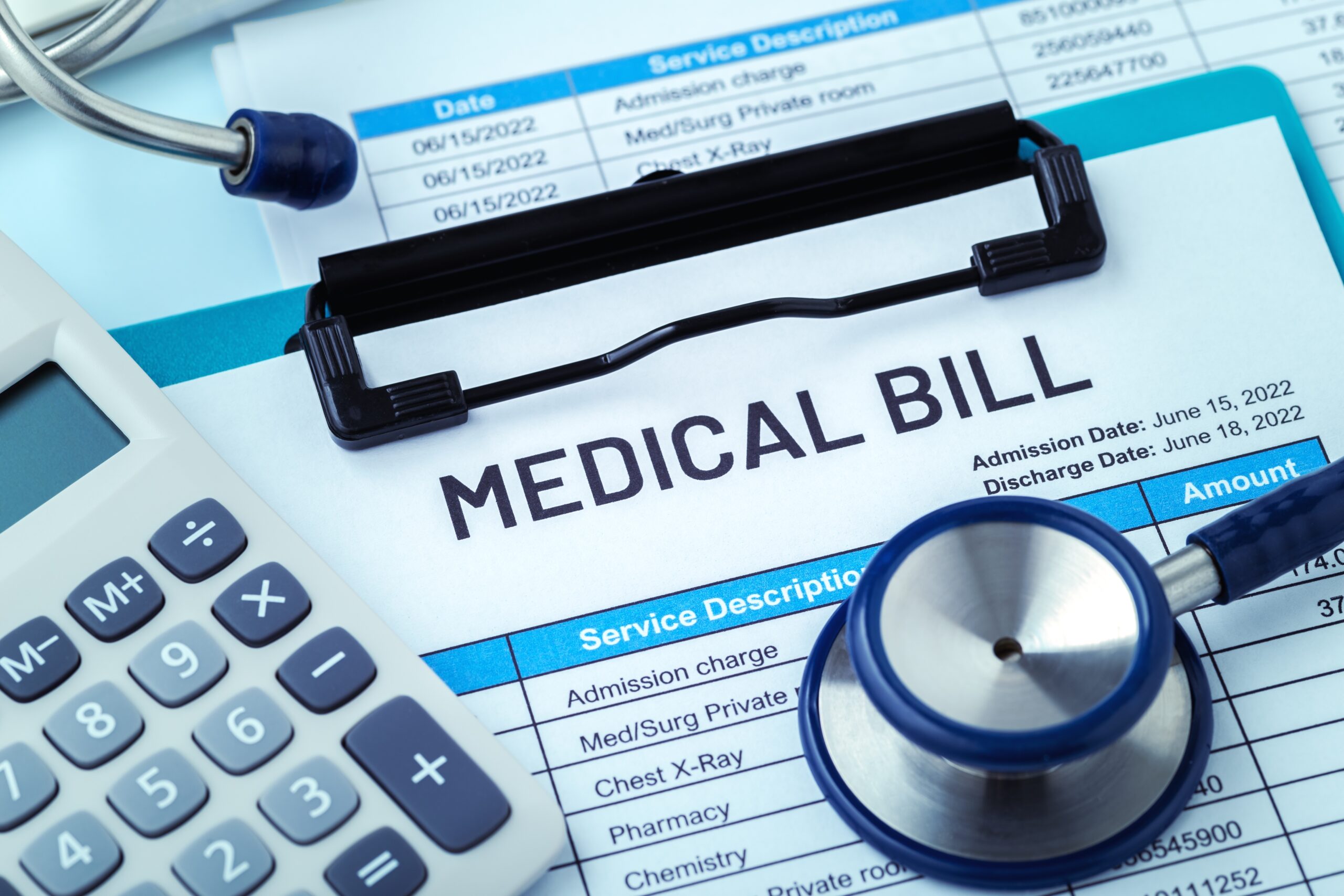
Once PIP is exhausted, your health insurance becomes the next payer. A lawyer can coordinate benefits, confirm coverage, and challenge improperly denied claims. They also track copays, deductibles, and out-of-pocket costs, which can later be recovered from the at-fault driver.
If you’re uninsured or unable to pay upfront, a car accident attorney can negotiate with providers to delay billing, establish payment plans, or secure medical liens, preventing your accounts from going to collections. They also work to reduce medical liens and subrogation claims, especially when employer-sponsored or government insurance seeks reimbursement from your settlement.
Most importantly, a car accident lawyer builds a strong claim against the at-fault driver to recover the full value of your medical expenses—past, current, and future, as well as lost income and other damages. Their guidance ensures your bills are managed properly, your rights are protected, and you receive the maximum compensation available under Pennsylvania law. You can speak with a car accident lawyer at Pribanic & Pribanic by calling us today at (412) 672-5444.
Frequently Asked Questions About Pennsylvania Car Accidents
When should I hire a car accident lawyer?
Because you have immediate issues like medical bills, it is essential to hire a car accident attorney immediately.
Do I have to pay back PIP for the money that was spent?
PIP benefits are prepaid medical coverage. Your auto insurer pays your bills up to your coverage limit, and you do not reimburse them
Can I choose which insurance pays first?
In Pennsylvania, you generally cannot choose which insurance pays first because the order of payment is determined by state law and the type of coverage involved.