After a collision, most people assume the other driver will have an active insurance policy to cover the damage. Unfortunately, many accident victims discover too late that the at-fault driver has no coverage or carries only the minimum demanded by law. This situation can be both frustrating and confusing, more so when you're dealing with severe damage.
If you suffer an injury in a crash caused by an uninsured or underinsured driver, it's essential to understand that you still have legal options. Pennsylvania law provides several paths to recover compensation, but each requires a careful understanding of your insurance policy and state regulations.
The car accident attorneys at Pribanic & Pribanic assist clients across Pennsylvania who find themselves in these difficult situations. A White Oak car accident lawyer can explore every available option for recovery, whether that means filing a claim through their own insurance or pursuing a lawsuit against the negligent driver. If you've been in an accident with an uninsured driver, contact us for a case evaluation and a detailed discussion of your options.
Key Takeaways: What Happens If the At-Fault Driver Doesn't Have Insurance
- Many Pennsylvania drivers fail to carry required insurance, leaving crash victims unsure how to recover compensation.
- Your own auto insurance through PIP, uninsured motorist, or collision coverage can provide vital financial protection after a crash.
- Uninsured motorist coverage can pay for hospital bills, lost earnings, and pain and suffering when the other driver has no insurance.
- Pennsylvania allows "stacking" of uninsured motorist benefits across multiple vehicles, increasing your available coverage limits.
- You may still recover compensation from other responsible parties, such as an employer, vehicle owner, or manufacturer.
- Insurance companies may undervalue or delay legitimate claims, making legal representation critical to protect your rights.
- Act quickly, as the statute of limitations gives you only two years to file a car accident claim or lawsuit.
- Call a car accident attorney immediately for legal guidance and a free consultation about your uninsured driver accident claim.
What Are The Insurance Requirements for Drivers?
In most states, every driver is legally required to carry a minimum level of auto insurance. These requirements are designed to ensure that, if a driver causes a crash, there is at least some coverage available to compensate injured victims and repair property damage.
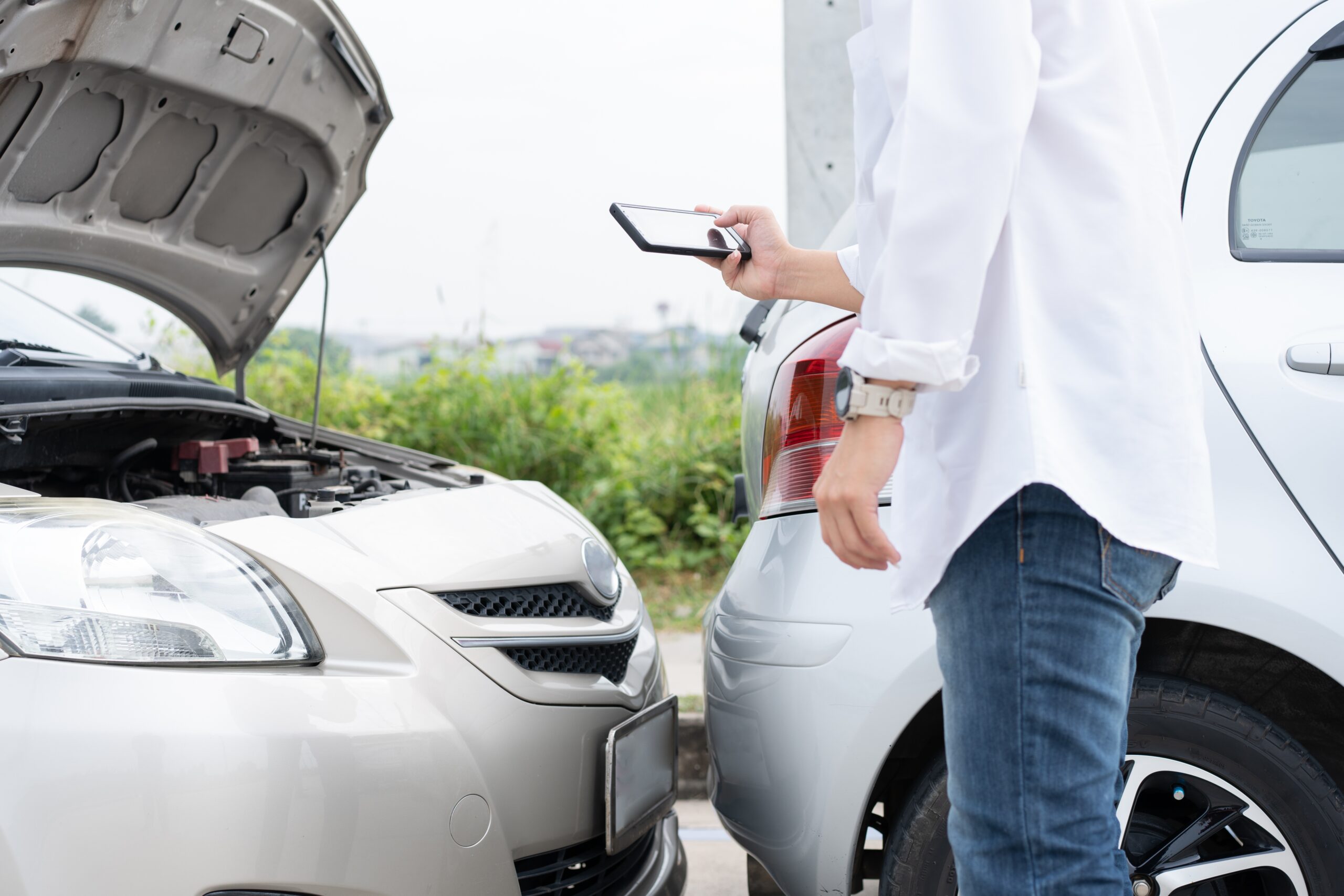
Under Pennsylvania law, you must carry the following minimum liability coverage:
- $15,000 for bodily injury per person
- $30,000 total for bodily injury per accident when more than one person is injured
- $5,000 to cover property damage
In addition to these liability requirements, the law requires drivers to possess $5,000 in personal injury protection (PIP), also referred to as no-fault coverage. PIP enables you to claim reimbursement for medical expenses and specific out-of-pocket costs from your own insurance provider, irrespective of who was at fault in the accident.
While these minimum amounts are required by law, they are rarely sufficient to cover the true cost of a serious accident. With serious crashes that lead to serious and catastrophic injuries, medical treatment, lost income, and vehicle repairs can easily exceed the limits of basic coverage. For that reason, Pribanic & Pribanic advises drivers to choose to purchase additional protection to safeguard themselves in situations where the responsible driver lacks adequate insurance.
When the At-Fault Driver Has No Insurance
Being struck by a driver who has no insurance coverage can leave you in an uncertain financial position. In these cases, the normal process of filing a third-party claim against the other driver's insurer is not available, meaning you must look to other legal and insurance options to recover your losses.
Filing a Claim Through Your Own Insurance
If the driver responsible for the accident is uninsured, your first line of protection comes from your own policy. Pennsylvania operates under a choice no-fault system, which means your ability to seek compensation depends on the type of coverage you selected when you purchased your insurance.
- Personal Injury Protection (PIP): Every Pennsylvania driver must have at least $5,000 in PIP benefits. This coverage is essential for addressing your medical expenses regardless of fault, allowing you to receive treatment immediately after the crash without waiting for liability disputes to be resolved. However, PIP does not pay for property damage, pain and suffering, or lost income beyond limited benefits.
- Uninsured Motorist (UM) Coverage: Uninsured motorist coverage is optional in Pennsylvania, but highly recommended. If you have this coverage, your insurer will compensate you for medical bills, lost income, and pain and suffering up to your policy limits when the at-fault driver has no insurance. Essentially, your insurer steps into the shoes of the uninsured driver, covering what they would have owed you.
- Collision Coverage: If your vehicle was damaged, you may also rely on your collision coverage to repair or replace your car, even if the other driver was at fault. You'll likely need to pay your deductible upfront, but your insurer can later pursue reimbursement, known as subrogation, if the uninsured driver has assets.
Filing a Lawsuit Against the Uninsured Driver
Another legal option is to file a personal injury lawsuit directly against the uninsured driver. Through litigation, you can seek compensation for the full scope of your losses, such as costs of hospitalization, loss of income, damaged property, and non-monetary damages such as pain and emotional distress.
However, this approach has practical limitations. Many uninsured drivers don't have the financial resources to pay a judgment, even if the court rules in your favor. Before pursuing this route, your attorney can investigate the at-fault driver's assets, employment, and income to determine whether recovery through litigation is realistic.
Other Possible Avenues for Recovery
Depending on the circumstances of the crash, there may be additional parties who share liability. For instance:
- If the responsible driver was driving a vehicle owned by someone else, the vehicle owner's insurance may still apply.
- If the accident involved a defective vehicle component or dangerous roadway, you might have grounds to initiate a product liability or negligence claim against a manufacturer or government entity.
- In cases involving a rideshare driver, delivery driver, or employee on duty, the company's commercial insurance policy may offer additional coverage.
A car accident attorney will look into the facts of your case, identify all possible avenues of compensation, and handle negotiations with insurers or responsible parties on your behalf. Your attorney will compile and present compelling evidence to strengthen your claim and pursue all viable options for recovery.
How Does Uninsured Motorist Coverage Work and How It Can Help
Uninsured motorist (UM) coverage is reportedly among the most valuable forms of protection available to Pennsylvania drivers. It exists to ensure that even if the driver who caused your collision has no insurance or flees the scene, you are not left to bear the financial burden alone.
When you purchase auto insurance in Pennsylvania, your insurer must offer uninsured motorist coverage, though you can decline it in writing. UM coverage applies in two main situations:
- When the at-fault driver has no insurance at all
- When the other driver cannot be identified, such as in a hit-and-run accident
If you suffered an injury in either scenario, UM coverage pays for:
- Present and future lost earnings
- Current and future medical bills
- Pain and suffering
- Disability
- Repairs or replacements for your damaged personal property
Essentially, your own insurer becomes responsible for covering the damages that the uninsured driver would have been required to pay.
Pennsylvania is one of the few states that allows stacking of uninsured motorist benefits. This is a bonus, because if you have multiple vehicles insured under the same policy or across several policies, you can combine the coverage limits for each vehicle to increase your total available protection.
For example, if you have two cars with $50,000 in UM coverage each, stacking allows you to access $100,000 in total coverage after a crash caused by an uninsured driver. This option provides a significant safety net, especially in severe injury cases.
Filing a UM claim involves submitting a demand to your insurer with documentation proving the other driver was uninsured or unidentified and that the crash caused your injuries. This usually requires:
- A police report showing the at-fault driver's lack of insurance or a hit-and-run
- Medical records demonstrating the nature and scope of your harm
- Proof of lost income and other economic losses
Although the claim is filed with your own insurer, it's important to remember that your insurance company may still treat your claim as an adversarial process. They may attempt to undervalue your injuries or dispute the extent of your damages to reduce the payout.
Having an attorney handle the claim ensures that your insurer complies with policy terms and that all available coverage is pursued. The legal team at Pribanic & Pribanic can manage these negotiations and, if necessary, pursue arbitration or litigation to secure the full value of your claim.
Talk to a Car Accident Lawyer About Your Options
If you suffered an injury by a driver who does not have insurance to cover your losses, you still have options. The attorneys at Pribanic & Pribanic—including an experienced White Oak personal injury lawyer—understand how these cases work and how to secure fair compensation after a crash.

Let our team review your insurance coverage, explain your legal rights, and pursue every available source of recovery. Call (412) 672-5444 for a free, no-obligation consultation. There are no legal fees until we win your case.
Frequently Asked Questions- What Happens If the At-Fault Driver Doesn't Have Insurance
Why is UM Coverage So Important?
Uninsured motorist coverage affords you peace of mind and financial stability in situations that might otherwise leave you without recourse. It bridges the gap when others fail to meet their legal responsibilities, allowing injured victims to focus on recovery rather than financial hardship. Even though UM coverage is technically optional, the small additional premium is a worthwhile investment in long-term protection.
Will my level of coverage impact what I can claim?
Your insurance selections determine both the scope of your recovery and how your claim proceeds. In Pennsylvania, drivers can choose between limited tort and full tort coverage. Limited tort restricts your right to seek compensation for pain and suffering unless your harm qualifies as serious under state law. Full tort, on the other hand, allows you to pursue the full range of damages regardless of injury type. In addition, whether you purchased uninsured or underinsured motorist coverage significantly affects your ability to recover after a crash with a driver who lacks adequate insurance. The higher your policy limits and the broader your coverage, the better protected you are in these circumstances.
What if the uninsured driver was using a borrowed or rental car?
If the at-fault driver was operating a company or rideshare vehicle at the time of the collision, additional commercial or corporate insurance may apply. For example, employers are usually liable for accidents caused by employees performing job-related duties, while rideshare companies like Uber and Lyft carry separate insurance coverage for active drivers. This coverage can provide compensation even when the individual driver has no personal insurance. An attorney can review whether the driver was "on the clock" and determine if the employer or rideshare insurer can be held responsible for your losses.
Can I use my health insurance following a crash with an uninsured driver?
You can utilize your health cover to pay for medical care that exceeds your PIP benefits or when no other auto insurance applies. However, your health insurer may later request reimbursement if you recover compensation from another source, a process known as subrogation. Coordinating between your auto and health insurers can be complex, and it's wise to have a lawyer oversee this process to avoid unexpected bills or reduced settlements.
Will filing an uninsured motorist claim raise my insurance premiums?
Generally, your premiums should not increase for filing an uninsured motorist (UM) claim, since you were not at fault for the accident. However, some insurers may adjust rates based on overall claim history or other risk factors. Having an attorney handle communication with your insurer ensures your claim is properly categorized and supported with clear evidence of fault, reducing the likelihood of unnecessary premium hikes.