Receiving an early cancer diagnosis is essential for you to have the best possible chance of recovery. Then, you can get the treatment that you need, which can include surgery and chemotherapy. Unfortunately, doctors may not catch the cancer in time by not diagnosing it at all, or initially believing that you are suffering from another condition. In that case, you lose valuable treatment time, and your prognosis may worsen.
Failure to diagnose cancer can be medical malpractice under certain circumstances because the delayed diagnosis may have been the result of the doctor’s negligence. When that happens, you can file a lawsuit against the doctor, seeking financial compensation. If your loved one died due to a delayed cancer diagnosis, your family can file a wrongful death claim.
A medical malpractice attorney at Pribanic & Pribanic can fight for you and your family when you have suffered harm due to a doctor’s carelessness. Contact us today at (512) 387-3510 to schedule a complimentary initial consultation with a Pittsburgh medical malpractice attorney.
Key Takeaways About Delayed Cancer Diagnosis Medical Malpractice
- A doctor may not diagnose your case of cancer when they should have due to a mistake.
- If the doctor made an error that materially worsened your medical condition, it may be malpractice.
- Medical malpractice cases for delayed cancer diagnosis can be complex because you must prove that the doctor not only made a mistake, but also made your situation worse.
- A medical malpractice lawyer can work with expert witnesses to prove your case and file a lawsuit on your behalf.
- You should speak to a medical malpractice attorney to learn about whether you have the right to compensation.
What Are the Reasons for Delayed Cancer Diagnosis?
A delayed cancer diagnosis can happen for many reasons, and understanding what went wrong is often the first step toward holding a healthcare provider accountable. In many cases, delays occur because early symptoms of cancer are vague or easily confused with more common conditions. Doctors may attribute fatigue, weight loss, persistent coughs, or digestive issues to stress, aging, or minor illnesses unless they conduct further testing. When medical providers fail to dig deeper, they can miss critical warning signs.
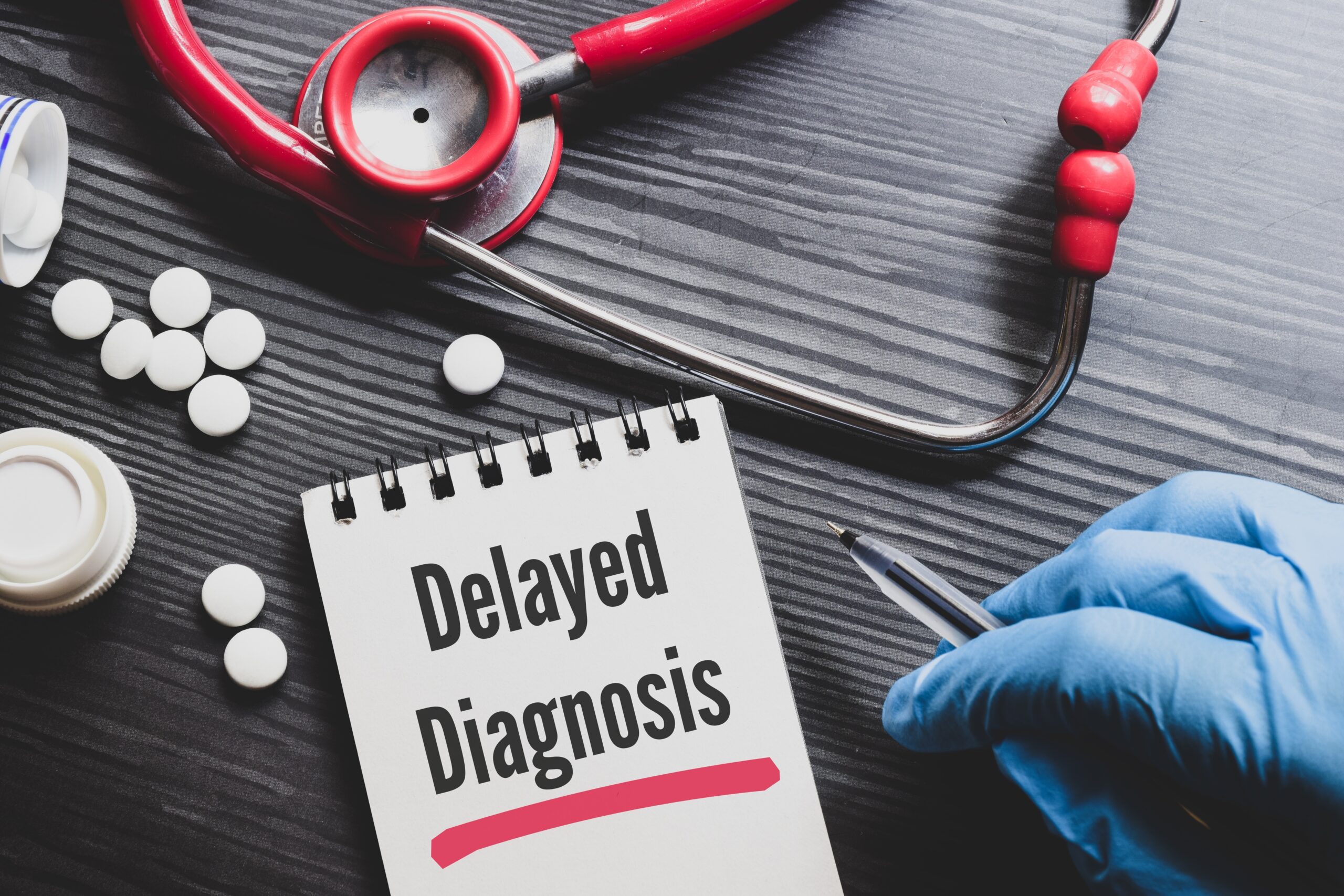
Diagnostic errors also play a significant role. A doctor may misinterpret imaging results, overlook abnormal lab values, or fail to follow up on concerning test findings. In some cases, they order the wrong diagnostic test, or scheduling issues, authorization problems, or communication breakdowns between specialists delay the necessary test. These administrative or system-based failures can cause weeks or months of unnecessary waiting, during which the cancer can advance.
Another common reason for delayed diagnosis is a lack of proper follow-up. Even when initial tests reveal something suspicious, a provider may not communicate the results promptly or may assume that another doctor is handling the patient’s care. In busy medical settings, medical professionals can file test results incorrectly or fail to review them, leaving patients unaware of urgent findings.
Bias can also contribute to delays. Younger patients, women, and individuals without typical risk factors may be less likely to have doctors consider cancer early in the diagnostic process. When a provider dismisses symptoms or fails to take a patient’s concerns seriously, this can impact opportunities for early detection.
Finally, delays can occur when healthcare practices lack proper diagnostic protocols or fail to implement quality control measures. Inadequate staffing, outdated equipment, or poor record-keeping can all contribute to significant mistakes. Regardless of the cause, a delayed cancer diagnosis can have life-altering consequences. Identifying the cause of the delay can help protect your rights and ensure better care in the future.
When Is a Delayed Cancer Diagnosis Medical Malpractice?
A delayed cancer diagnosis becomes medical malpractice when a healthcare provider’s negligence caused the delay and that negligence resulted in harm to the patient. However, not every delay is malpractice. Some cancers are challenging to detect, symptoms may be unclear, or the disease may not be identifiable even with proper care. Still, when a doctor fails to meet the accepted standard of care and that failure allows the cancer to progress, the law may consider it malpractice.
A delayed diagnosis may rise to the level of malpractice when a doctor ignores or dismisses symptoms that would lead a reasonably competent provider to order tests, refer the patient to a specialist, or conduct further investigation. For example, if a patient reports unexplained weight loss, persistent pain, abnormal bleeding, or a suspicious lump and the doctor fails to take these signs seriously, this may be negligence.
Misinterpreting test results can also constitute malpractice. If imaging, lab work, or biopsies reveal abnormalities and the provider overlooks, misreads, or fails to follow up on them, the delay may be their fault. Similarly, failing to order the correct diagnostic test or failing to communicate abnormal results in a timely manner can be evidence of negligence.
A delayed diagnosis may also be malpractice when it results from system errors, such as lost test results, failure to schedule necessary imaging, inadequate referral coordination, or poor communication among healthcare providers. If a medical practice lacks proper procedures to ensure the timely review and follow-up of critical findings, which may harm a patient, liability may exist.
To rise to malpractice, the delay must cause actual harm, such as allowing the cancer to spread, reducing treatment options, increasing the need for more aggressive treatment, or decreasing the patient’s chances of survival. If these conditions exist, the patient may have grounds for a medical malpractice claim.
You May Have Causation Issues in Proving Medical Malpractice for a Delayed Cancer Diagnosis
Causation is one of the most challenging elements in delayed cancer diagnosis medical malpractice cases. Even if a healthcare provider clearly made a mistake, such as failing to order tests, misreading imaging, or overlooking symptoms, the patient must still prove that the delay caused actual harm. These situations often give rise to disputes.
In many cases, the central question becomes whether the cancer would have progressed regardless of when the diagnosis occurred. Some cancers are aggressive and fast-moving, while others grow more slowly. Defense expert witnesses often argue that the outcome would have been the same even if detection had happened earlier. To succeed, the patient must demonstrate that an earlier diagnosis would have more likely than not improved their prognosis, offered less invasive treatment options, or increased their chances of survival.
Another causation issue involves determining exactly when the cancer became detectable. Suppose an individual accuses a doctor of missing symptoms in January, but expert witnesses show the cancer was not diagnosable until March. In that case, the alleged negligence may not be the cause of the worsened outcome.
Patients must also demonstrate a meaningful difference in outcome and not just a theoretical one. For example, if an earlier diagnosis had resulted in a 30 percent better chance of survival or avoided the need for chemotherapy, those are significant benefits. If the difference is minimal, causation becomes difficult to prove.
Finally, causation can be complicated when the situation involves multiple doctors or healthcare facilities. When several providers contributed to delays, pinpointing who is legally responsible may require detailed medical expert analysis.
How Do I Prove Medical Malpractice for a Delayed Cancer Diagnosis?
Proving malpractice in a delayed cancer diagnosis case requires demonstrating that the healthcare provider failed to follow the accepted standard of care and that this failure caused harm. This process relies heavily on medical documentation, expert witness opinions, and a clear timeline of events.
The first step is establishing the standard of care, which is what a reasonably competent doctor in the same specialty would have done under similar circumstances. These tasks often include ordering appropriate diagnostic tests, recognizing “red flag” symptoms, following up on abnormal findings, and referring the patient to specialists when needed. To prove malpractice, you must show the provider deviated from this standard. Examples include dismissing persistent symptoms, misinterpreting imaging studies, or failing to communicate test results in a timely manner.
Next, you must prove causation, meaning the delay in diagnosis directly harmed the patient. Proving causation typically involves expert testimony showing that earlier detection would have made a meaningful difference. For example, allowing for less aggressive treatment, reducing the chance of metastasis, or improving survival odds. Medical experts review records to determine when the cancer likely became detectable and how much it progressed during the delay.
Evidence is crucial. Medical records, test results, appointment logs, referral notes, and communication records can all reveal missed opportunities for a diagnosis. Sometimes internal hospital policies or diagnostic guidelines demonstrate what should have occurred but did not.
Your medical malpractice attorney will work with expert witnesses. They will examine your medical history and symptoms as you experienced them and compare them with what a reasonable doctor would have done under the circumstances. The key is to reconstruct what the doctor knew and saw at the time and argue what they should have done under the circumstances.
What Damages Can I Recover in a Delayed Cancer Diagnosis Medical Malpractice Case?
If you suffered harm because of a delayed cancer diagnosis, you may have the right to recover a range of damages that reflect both the physical and emotional consequences of the delay. These cases often involve significant losses because patients typically face more advanced disease, more aggressive treatment, and a reduced chance of recovery.
You can recover economic damages, which include the financial costs associated with the delay. These often involve additional medical expenses for treatments such as chemotherapy, radiation, surgery, or hospitalization that may not have been necessary with an earlier diagnosis. Lost earnings and loss of future earning capacity are also common, especially when the advanced stage of cancer limits a patient’s ability to work.
Non-economic damages compensate for the human impact of the delay. These damages may include pain and suffering, emotional distress, anxiety about the future, loss of enjoyment of life, and the trauma of undergoing harsher treatments. Family members may also suffer losses, including loss of companionship or consortium.
In the most severe cases, such as when the delay shortens life expectancy or leads to premature death, families may pursue wrongful death damages, which can cover funeral costs, loss of financial support, and loss of a loved one’s guidance and care.
How Can a Medical Malpractice Lawyer Help Me in a Delayed Cancer Diagnosis Medical Malpractice Case?
It is incredibly challenging to make progress in a medical malpractice case without the assistance of an experienced attorney. Any medical malpractice case is difficult because it involves complex and detailed scientific evidence. A delayed diagnosis case can be even more complicated because of the issues in proving that the doctor’s actions were what caused your adverse health result.
Accordingly, you must contact an experienced medical malpractice attorney very early in the legal process. They will obtain medical records and line up expert witnesses to give their opinion about what the doctor may have done wrong. Then, your Pittsburgh personal injury lawyer can draft and file a lawsuit in court on your behalf. They can represent you during what is going to be a drawn-out and complex legal process.
Your medical malpractice lawyer will build your case through the discovery process by obtaining information that is in the defendant’s hands and questioning their witnesses in a deposition.
Your attorney may negotiate a settlement on your behalf before your case reaches a trial, which is the most common outcome in medical malpractice cases. If not, they will take your case to trial in front of a jury. To learn more about how the medical malpractice lawyers at Pribanic & Pribanic can assist you, please call us today at (412) 672-5444.
Frequently Asked Questions About Delayed Cancer
Diagnosis Medical Malpractice Cases
How long will my case take?
It is difficult to provide an exact timeline, although medical malpractice lawsuits typically take longer to resolve than other personal injury cases.
How much does a medical malpractice lawyer cost?
You owe a medical malpractice attorney nothing up front, and you only pay them if you win your case.
Will a jury always trust the doctor?
Although juries tend to respect doctors as experienced professionals, your own expert witnesses can overcome this level of natural trust.